
A Practical Autumn Playbook for Every Kind of Day
Choose an indoor, neighborhood or outing idea, then adjust its steps, tools, duration and expected independence to suit individual needs.
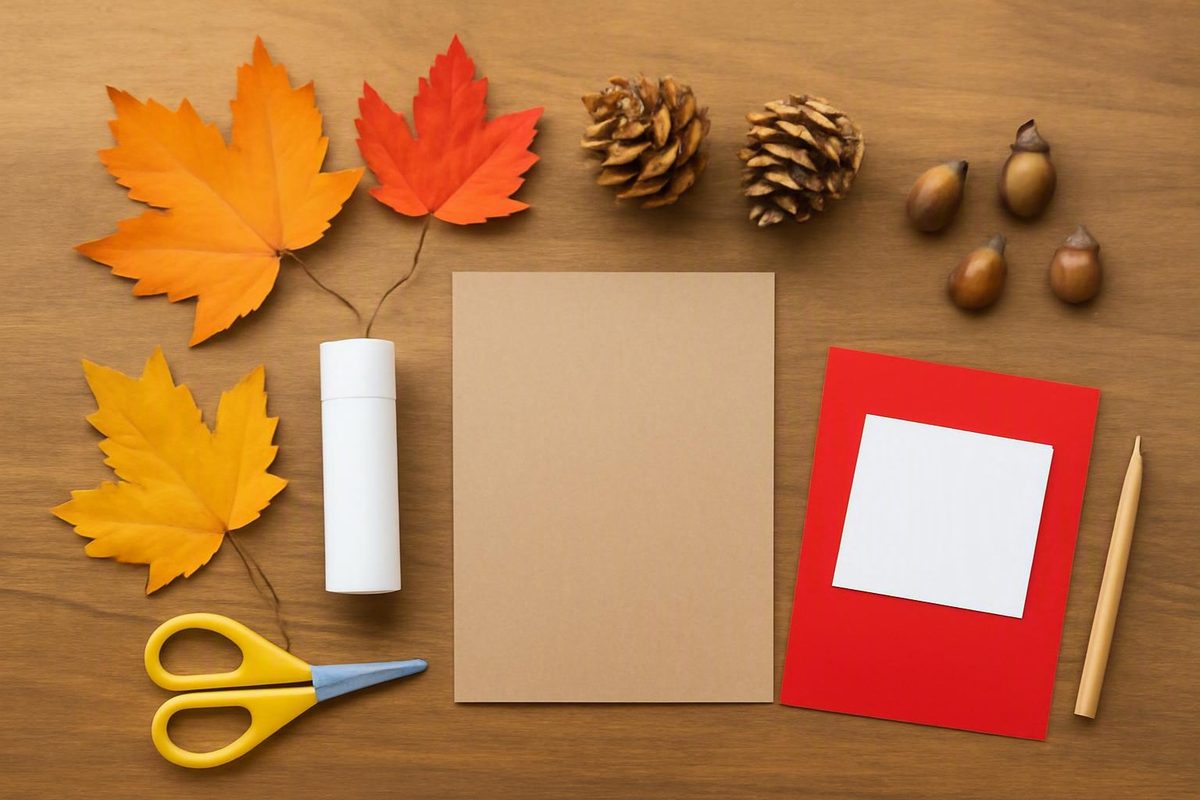
The best fall activities for kids are not necessarily the most elaborate. They are the ones that fit the child, the weather, the available space, the adult’s energy, and the materials already within reach.
That might mean collecting three interesting leaves on a neighborhood walk, painting a grocery-store pumpkin, building a blanket fort, or visiting an orchard. Each activity can offer opportunities to practice observation, counting, sorting, language, movement, creativity, or supervised tool use. These are opportunities, not guaranteed developmental outcomes.
Use the ideas below as adaptable starting points rather than a seasonal checklist you need to finish.
How to choose a fall activity that fits today
Start with the setting you can realistically manage.
- Indoors: Choose leaf rubbings, play-dough impressions, pumpkin painting, apple stamping, a blanket-fort reading nook, pretend soup, an indoor picnic, or a collage.
- Backyard or neighborhood: Try a color search, collection walk, leaf-sorting station, shadow drawing, obstacle course, or sky watch.
- Local outing: Consider an orchard, pumpkin patch, farm event, hike, nature center, museum, aquarium, or library.
Then consider the kind of experience that suits the moment:
- Active play: Obstacle course, pumpkin rolling, neighborhood search, or hike
- Quiet art: Leaf rubbings, printing, stamping, painting, or collage
- Sensory exploration: Nature impressions, pumpkin comparison, or pretend soup
- Seasonal observation: Color search, collection walk, sky watch, orchard, or nature center
- Family tradition: Indoor picnic, game night, pumpkin decorating, annual walk, or seasonal outing
Age labels are starting points, not guarantees. Adjust the number of steps, tools, duration, and expected independence for the individual child. A toddler might choose between two paint colors while an adult steadies a pumpkin. A preschooler might sort leaves by color. An older child might photograph patterns, measure a pumpkin’s rolling route, keep an observation journal, make a field guide, or write a story.
The same principle applies to scavenger hunts. A pre-reader can follow picture prompts showing a red leaf, pinecone, stick, bird, or pumpkin. An older child can photograph finds, record where they appeared, compare tree shapes, or turn the observations into a map or story. Journals and photo logs can also extend nature walks for school-age groups, as suggested in ChildCareEd’s adaptable indoor and outdoor activity guide.
Some activities use found or already-owned materials: paper, crayons, cardboard, blankets, washable paint, or permitted fallen objects. Others may involve transportation, admission, food, printing, or purchases. An orchard trip, for example, can require travel, booking, suitable clothing, and food. For the sorting, printing, painting, and observation projects in this guide, a store-bought apple or pumpkin is a valid substitute.
Quick index: 25 fall activities for kids
Outside and around the neighborhood
- Fall color search
- Nature collection walk
- Leaf sorting station
- Shadow drawing
- Backyard obstacle course
- Autumn sky watch
- Crayon leaf rubbings
- Leaf printing
- Play-dough nature impressions
- Leaf people or nature characters
- Nature-brush painting
- Cardboard leaf stamping
- Leaf threading or garland
Apples and pumpkins
- Pumpkin painting
- Pumpkin texture and comparison tray
- Pumpkin rolling experiment
- Apple sorting
- Apple stamping
Cozy indoor play
- Blanket-fort reading nook
- Pretend autumn soup
- Indoor fall picnic and family game
- Fall collage or group mural
Local outings
- Apple orchard or farm visit
- Pumpkin patch, farm festival, or low-scare event
- Hike, nature center, museum, aquarium, or library
Start outside: six walks, searches, and backyard activities
Outdoor fall play does not require a large yard, dramatic foliage, or a paid destination. A sidewalk, courtyard, school grounds, accessible path, balcony view, or window can provide enough material for seasonal observation.
1. Fall color search
Choose several colors to look for: red, orange, yellow, brown, green, gray, or another locally relevant palette. Children can find matching leaves, plants, buildings, vehicles, signs, or clothing.
Give pre-readers picture or color cards. Older children can photograph examples, tally how often each color appears, sketch patterns, or discuss why the local landscape differs from traditional images of autumn.
In warm climates, focus on changing light, seedpods, birds, seasonal produce, or clothing rather than expecting red and gold foliage. In an apartment or urban setting, conduct the search along a sidewalk, in a courtyard, from a bus window, or through a classroom window.
2. Nature collection walk
Carry a small basket or reusable bag and gather a limited selection of permitted fallen leaves, sticks, pinecones, rocks, or acorns. A small collection is easier to inspect and sort later.
Set boundaries before leaving: collect only where local rules allow, leave living or protected plants in place, and treat collected materials as observation or craft objects rather than food. Children can point to, sketch, or photograph objects instead of bringing them home.
For a child who cannot or does not want to collect from the ground, place a few suitable objects on a reachable tray. Previously collected or purchased craft materials can provide the same sorting and art possibilities.
3. Leaf sorting station
Place collected leaves on a tray, mat, or sheet of paper. Ask how they could be grouped. Possibilities include color, size, shape, edge, texture, or condition.
After sorting, compare the groups:
- Which group has more?
- Which leaf is longest?
- Are any two almost alike?
- Can the same collection be sorted another way?
- What category did the child invent?
The goal is not a predetermined answer. The activity creates an opportunity to notice attributes, explain choices, count objects, and revise a system.
For a low-touch version, use photographs or paper leaf shapes. In a group, let each child propose one sorting rule and compare the results.
4. Shadow drawing
Position or suspend leaves so sunlight casts shadows onto paper. Children can trace the outlines, watch the shadows shift, and add color or imaginary details.
A child who finds precise tracing frustrating can draw around the broad shape or fill the shadow with marks. Older children can repeat the drawing later and compare its position or length.
If the weather does not cooperate, place an ordinary object between a lamp and paper indoors. Toy animals, blocks, paper leaves, or household utensils can create silhouettes. Keep the setup simple, with the adult positioning the lamp and cord.
5. Backyard obstacle course
Use a clear area and stable markers such as baskets or cones to create an adjustable movement route. A child might:
- Walk around a marker.
- Step over a low line.
- Carry a pinecone to a basket.
- Follow a chalk path.
- Toss a soft object toward a target.
- Finish with a “fall like a leaf” movement.
Adapt the route to the child instead of requiring the child to fit a fixed course. A seated version can include reaching for colored objects, tossing soft items, moving scarves like falling leaves, or transferring objects between containers.
Inspect the area before play and remove unstable obstacles. School-age outdoor-program guidance similarly emphasizes supervision, age-appropriate equipment, and attention to surface conditions and weather.
6. Autumn sky watch
Choose a suitable observation point and look at the changing evening light, moon, stars, clouds, or silhouettes of trees and buildings. Children can describe colors, draw the moon’s shape, listen for evening sounds, or compare the sky across several days.
An older child might keep a short sky journal with a date, sketch, weather note, and one question. A younger child can point to the brightest object or choose a crayon that matches the sky.
Use a window when darkness, weather, air quality, terrain, or mobility makes an outdoor watch impractical. The activity is observation, not a test of astronomical knowledge.
Once everyone comes inside, choose one follow-up:
- Sort the collected objects.
- Make a rubbing or print.
- Arrange nature characters.
- Dictate or write a story about the walk.
- Start an observation page with drawings, labels, or photographs.
Seven leaf and nature crafts using simple materials
A basic materials box can support most of these projects:
- Paper or reused cardboard
- Crayons
- Washable paint and brushes
- Play dough
- Cardboard tubes
- School glue
- Age-appropriate scissors
- Trays or washable mats
- Optional permitted natural objects
Fresh, flexible leaves generally work better than brittle ones for printing, cutting, threading, and making impressions. One nature-craft guide advises using fresh leaves promptly because dried leaves may crumble during handling in its leaf-based activity instructions.
Reuse supplies already at home when practical. That alone does not make a project universally environmentally friendly: paint, glue, cord, transportation, and disposal choices still matter. Untreated plant material can be composted where local practices permit.
7. Crayon leaf rubbings
Place a leaf beneath a sheet of paper with its more textured side facing upward. Turn an unwrapped crayon sideways and rub gently across the paper until the shape and veins appear.
Thick paper or heavy pressure can hide details, so begin lightly. Tape may hold the paper in place but is optional.
Try several leaves on one page, overlap colors, or use the rubbing as the start of a picture. Older children can label where each leaf was found or compare vein patterns. This is a useful low-mess option when paint is not welcome.
8. Leaf printing
Select fresh leaves that can be handled without crumbling. Apply a thin layer of washable paint to the veined side, place the painted surface on paper, press gently, and peel the leaf away.
Too much paint can blur the pattern. If the first print is a blob, try less paint rather than treating it as a failed craft. Children can create rows, color sequences, borders, or pictures made from repeated leaf forms.
An autumn activity guide also recommends fresh leaves, paint on the veined side, and careful peeling for clearer leaf-printing results.
9. Play-dough nature impressions
Roll or flatten play dough. Press in a leaf, pinecone, rock, acorn, or another suitable object, then lift it out and inspect the mark.
Ask open questions:
- Which object made the deepest impression?
- Can you match an imprint to its object?
- What happens if you press a different side?
- Which marks look like lines, dots, or scales?
Offer unscented dough when fragrance is distracting or unpleasant. A child who prefers not to touch the dough can use a roller, tongs, or another tool. Keep objects used with play dough in the craft area rather than returning them to food use.
10. Leaf people or nature characters
Arrange leaves, sticks, stones, and other suitable pieces into people, animals, monsters, vehicles, or invented creatures. Glue is optional; a temporary design can be photographed and then dismantled.
Extend the project through storytelling:
- A younger child can name the character.
- A pre-writer can dictate one sentence.
- A preschooler can explain what the character is doing.
- An older child can add dialogue, write a scene, or create a short comic.
The arrangement does not need to resemble a recognizable figure. Abstract patterns are equally valid.
11. Nature-brush painting
Select sturdy natural material and attach it to the end of a blunt stick with an elastic band. Dip the textured end into washable paint and make lines, dabs, sweeps, or prints.
In this guide, the adult chooses and attaches the materials, then stays with the activity. The original nature-brush setup likewise uses natural materials secured to sticks with elastic bands. Skip unknown, sharp, or brittle pieces. A sponge, fork, crumpled paper, or ordinary brush can provide a similar texture experiment indoors.
Try one tool at a time so the child can compare its marks. Older children can design a brush for a particular effect and explain their choice.
12. Cardboard leaf stamping
Flatten a cardboard tube and cut it into strips. Pinch one side of a strip to create a pointed, leaf-shaped outline. Dip the narrow cardboard edge in paint and stamp it onto paper.
An adult can prepare the cardboard when cutting the tube is beyond the child’s current tool use. Children can stamp a tree crown, wreath, repeating border, or abstract pattern.
For less mess, trace around the cardboard shape with crayons. Different pinches create different leaf outlines, turning the craft into a simple design experiment.
13. Leaf threading or garland
An adult prepares holes in suitable fresh leaves. Children thread them using a manageable material, such as a short piece of cord with a stiffened end or a blunt threading tool.
Because the source activity uses pre-punched leaves, twine, and a small stick, this version keeps preparation and threading supervised rather than presenting it as independent play. Suitability will depend on the child and the materials available.
For a no-string alternative, line up leaves on a table, arrange them in a repeating pattern, and photograph the “garland.” Paper leaves can replace natural ones when crumbling, availability, allergens, or touch preferences are concerns.
Five apple and pumpkin activities without carving
Apples and pumpkins can become sorting objects, painting surfaces, printmaking tools, or rolling objects without introducing carving tools. These are non-carving activities, but the setup still needs to match the child and environment.
For these projects, grocery-store produce works in place of orchard or patch produce.
14. Pumpkin painting
Place a small pumpkin on a stable, protected surface and decorate it with washable paint. Paper features or suitable stickers can add detail after the paint dries.
Toddlers can choose colors or make broad marks while an adult stabilizes the pumpkin. Preschoolers can add shapes, faces, or patterns. Older children can sketch a design, plan a limited palette, or paint a scene around the pumpkin.
Small loose decorations are optional. A paintbrush-only design is complete without extras.
15. Pumpkin texture and comparison tray
Set out a small selection of pumpkins or gourds with visibly different colors, shapes, surfaces, or stems. Children can observe, describe, match, or sort their features.
Possible prompts include:
- Which looks smoother?
- Which appears tallest?
- What colors do you notice?
- Can you find two with something in common?
- How would you sort them?
A child can participate through looking, pointing, speaking, or examining photographs without touching. Do not assume everyone will enjoy rough, ridged, cool, or muddy surfaces.
16. Pumpkin rolling experiment
Use small pumpkins in a clear area. Roll one gently across the floor and observe whether it travels straight, curves, wobbles, or stops quickly.
Try rolling pumpkins through flattened play dough to compare the tracks. Preschoolers can predict which will travel farther. Older children can mark starting and stopping points, estimate distance, change the surface, or document how shape affects movement.
This is an opportunity to predict, observe, compare, and revise an idea—not a formal proof about physics. Keep the setup away from stairs and fragile objects, and use rolling rather than throwing.
17. Apple sorting
Set out apples with different visible attributes. Sort by color, approximate size, stem presence, surface markings, or another child-selected rule. Count and compare the groups if that interests the child.
Not every apple fits neatly into “red,” “green,” or “yellow.” Mixed colors create a useful category question: Does the group need a new rule? Could one apple fit more than one category?
Older children can create a chart, estimate weight before comparing apples, or invent a sorting rule for someone else to identify.
18. Apple stamping
An adult cuts an apple. Children apply washable paint to the cut surface and press it onto paper. A shallow tray or brush can help control the amount of paint.
Designate the apple as a printmaking tool and keep produce intended for eating elsewhere. Toddlers can make individual prints with assistance, preschoolers can vary colors, and older children can create repeating patterns or scenes.
If using food as an art material does not suit the family or setting, cut an apple shape from a sponge or cardboard instead.
Four cozy activities for rain, cold, or limited outdoor space
Indoor fall play can help when rain, cold, poor air quality, early darkness, recovery from illness, or inaccessible outdoor space changes the plan.
Outdoor ideas can also be converted:
- Use paper, craft-store, or previously collected leaves.
- Trace object shadows with a lamp.
- Conduct a color search through a window.
- Sort grocery-store apples.
- Examine photographs from an earlier walk.
- Move an obstacle course to a tabletop or clear floor.
Scented, sticky, noisy, and messy activities are not inherently calming. Offer choices based on the child’s preferences: unscented dough, dry materials, fewer items at once, separate workspaces, or a book-and-drawing alternative.
19. Blanket-fort reading nook
Drape blankets over sturdy furniture to make a simple den. Keep the structure easy to enter and leave, and let the adult manage lighting and placement. Add pillows and fall-themed books.
After reading, invite children to:
- Retell a favorite part.
- Draw a character or setting.
- Act out one scene.
- Invent a different ending.
- Find three fall colors in the illustrations.
The fort is optional. A blanket on the floor, reading corner, cardboard box, or ordinary sofa can provide the same invitation.
20. Pretend autumn soup
Use a bowl, play-kitchen pot, or another container with pretend ingredients. Large fabric leaves, blocks, felt vegetables, wooden play food, paper shapes, or nature-inspired props can become the “recipe.”
Children can stir, name ingredients, take pretend orders, or create recipe cards. Older children might write a menu or work out how many pretend bowls are needed for a group.
Keep this activity clearly separate from eating. Painted objects, play dough, and sensory materials remain play materials. For a low-sensory version, use a few dry paper pieces instead of mixed textures.
21. Indoor fall picnic and family game
Spread a blanket in an open room and choose an age-appropriate card, board, movement, or storytelling game. The seasonal element can be as simple as orange napkins, a fall book, or taking turns naming something noticed outside.
Food is optional. If included, use ordinary foods already suitable for the family rather than ingredients that have been part of a craft activity.
A classroom version can use empty cups, pretend food, and a cooperative game. A quiet version might pair the blanket with puzzles, drawing, or independent reading.
22. Fall collage or group mural
Combine paper scraps, cut or torn leaf shapes, rubbings, drawings, photographs, and selected natural materials on an individual page or shared sheet.
An individual collage gives each child control over space and materials. A group mural adds opportunities to negotiate placement and take different roles, but it may feel crowded or noisy. Offer both formats when possible.
For a dry version, arrange pieces without glue and photograph the result. For a low-touch version, use paper shapes. Older children can add a design constraint, such as using only three colors or showing the change from early to late fall.
Three local outings—and no-travel substitutes
An outing can turn seasonal observation into a family event, but it also adds transportation, scheduling, cost, crowds, terrain, weather, and access considerations. Regional guides from Seattle, Maryland, and Georgia demonstrate the kinds of destinations families may find; they are not current nationwide recommendations.
23. Apple orchard or farm visit
At an orchard, children may be able to observe how apples grow, compare varieties, and choose fruit where picking is permitted. Ask the venue what visitors may touch or pick rather than assuming access.
No-travel substitute: Buy several apples at a grocery store or market. Sort them, compare their appearance, make supervised stamps, or use separate ingredients for an age-appropriate recipe.
If tasting is part of the plan, choose food and preparation methods that already fit the child’s eating needs. The outing is not necessary for the sorting, observation, printmaking, or cooking activity.
24. Pumpkin patch, farm festival, or low-scare event
A pumpkin patch or farm event may offer pumpkin selection, painting, animal areas, photo spaces, tractor rides, or seasonal stations. Offerings vary. A children’s museum’s regional overview lists examples such as pumpkin painting, animal areas, tractor rides, and scarecrow stations while directing readers to individual venues for details in its Maryland fall-outing guide.
Do not assume Halloween programming will be gentle. Ask about darkness, masks, sudden noises, live performers, frightening displays, and whether the venue offers an explicitly low-scare session.
No-travel substitute: Search for pumpkins from the sidewalk, count porch decorations without entering private property, decorate a store-bought pumpkin, or arrange paper pumpkins around a room for an indoor search.
25. Hike, nature center, museum, aquarium, or library
Choose between outdoor seasonal observation and an indoor destination available locally. A hike or nature center may support leaf, bird, weather, or sky observation. A museum, aquarium, or library can provide a change of setting when weather, darkness, or air quality limits outdoor plans.
Select a route or venue that suits the group’s experience, stamina, mobility, sensory preferences, and available supervision. A retailer’s family-activity guide similarly recommends choosing a trail suited to the group and carrying water, snacks, and children’s necessities in its hiking guidance.
No-travel substitute: Take a short neighborhood observation walk, borrow physical or digital library books, watch through a window, or create a tabletop “nature center” from photographs and previously collected objects.
Before visiting any destination, verify directly with the venue:
- Current opening hours and seasonal dates
- Admission prices and additional charges
- Reservation or timed-entry requirements
- Age, height, or participation rules
- Parking and transportation
- Path surfaces, slopes, distances, and lighting
- Toilets and changing facilities
- Food, drink, and outside-snack policies
- Weather cancellation and refund rules
- Accessibility features and required accommodations
- Animal-contact procedures
- Halloween scare level, including sounds and performers
Listings, social posts, and regional roundups can become outdated.
Adapt the same activity for different ages, abilities, and sensory preferences
Instead of finding a completely different activity for every age, keep the core idea and change its demands.
Level 1: Simplify and prepare. Reduce the number of steps, offer two choices, prepare difficult materials, use larger components, and keep participation brief. A younger child might press one leaf into dough or choose a pumpkin color.
Level 2: Add sorting and description. Preschoolers can count, group, compare, predict, describe textures, or explain a design. An adult can write down dictated observations.
Level 3: Add documentation and design. Older children can use photography, journaling, measurement, research, creative writing, complex patterns, or design constraints. They can lead part of a shared project without becoming responsible for another child’s supervision.
For mixed-age groups, use one theme with different optional roles:
- Collector: Identifies or gathers permitted materials
- Sorter: Proposes and applies categories
- Photographer: Records outdoor finds or temporary designs
- Designer: Plans the arrangement or pattern
- Storyteller: Dictates or writes the narrative
- Cleanup helper: Returns materials to designated places
Roles should be choices rather than fixed judgments about ability.
Mobility adaptations can include seated collection trays, tabletop sorting, accessible paths, reachable materials, clear floor space, lightweight objects, or a home alternative to an inaccessible outing. A child can direct another person to photograph an object instead of retrieving it.
Vision and communication supports can include verbal descriptions, high-contrast paper, tactile comparison, picture choices, gestures, yes-or-no options, communication devices, and dictated answers. Ask whether description or touch is wanted rather than assuming.
Sensory choices might include:
- Unscented materials
- Gloves, tongs, scoops, or brushes instead of direct touch
- A quiet workspace
- Fewer materials visible at once
- Dry rather than sticky supplies
- Advance information about crowds, animals, machinery, music, or sudden sounds
- Permission to watch rather than participate
- A predictable stopping point or exit plan
Do not use hand-over-hand assistance as a default. Support should reflect the child’s preferences, communication, consent, and established needs. Likewise, verify whether a venue’s entrances, routes, surfaces, seating, toilets, quiet spaces, and communication access meet the individual visitor’s requirements.
Plan for supervision, allergies, tools, and seasonal hazards
No activity can be labeled suitable for every child or setting. Treat the following as a general planning checklist, not specialist medical, dietary, accessibility, or outdoor-safety advice. When a child has established care or support requirements, follow those requirements and seek appropriately qualified guidance where needed.
Check the materials
Review every component before play. Seeds, dried beans, acorns, beads, miniature decorations, and sensory-bin pieces are common in activity roundups, but their suitability depends on the child. Choose larger alternatives or omit materials when their size or intended use does not fit.
Natural and homemade do not mean edible. The cited pumpkin cloud-dough activity explicitly labels its mixture non-edible in the Days With Grey guidance, while an autumn-rice activity distinguishes a vinegar preparation from rice treated with hand sanitizer, which it labels non-taste-safe. Follow the recipe or product label and keep non-edible craft and sensory materials out of eating activities.
Keep cords and tool use within the planned activity
Leaf-threading and nature-brush projects may use twine, sticks, elastic bands, scissors, or a hole punch. The source leaf-garland instructions use pre-punched leaves and note that young children need instruction and supervision with twine, scissors, hole punches, paint, seeds, and other small objects.
For this roundup, a capable adult cuts apples, prepares leaf holes, handles awkward cardboard cutting, and operates any heat source used in a separate recipe. Match children’s scissors and other tools to their current use and the supervision available.
Carving, bonfires, wild-mushroom activities, and apple bobbing are outside the scope of this lower-complexity guide.
Separate crafts from food
Keep apples, pumpkins, utensils, and surfaces used with paint, glue, or play dough separate from ingredients intended for eating. For any tasting or recipe, apply the child’s established allergy, dietary, texture, preparation, and eating requirements.
Total Preschool makes a similar allergy-aware planning point in its Thanksgiving guidance for children ages three to five, recommending that adults account for food allergies when planning seasonal activities in its preschool planning note.
Inspect outdoor and venue conditions
Before a walk, course, hike, or evening observation, look at the actual conditions: weather, remaining daylight, route surface, traffic, crowding, clothing, mobility requirements, and the adult’s ability to supervise the selected area. Use a window, courtyard, tabletop tray, or indoor movement activity when the outdoor setup does not fit the group.
Before beginning, ask five questions:
- Is this material suitable for this child?
- What will the adult prepare or handle?
- Could any material be swallowed, eaten, wrapped, heated, or tripped over?
- Does the environment fit the child’s mobility, communication, sensory, and supervision needs?
- What simpler substitute would preserve the play idea?
Frequently asked questions
What are the easiest fall activities for kids to do with supplies already at home?
Start with leaf rubbings, a cardboard-tube stamp, blanket-fort reading, an indoor picnic, a window color search, or a collage made from paper scraps. Washable paint adds leaf printing or pumpkin painting; play dough supports impressions with leaves or ordinary household objects.
Natural materials are optional. Paper leaves, crayons, cardboard, blankets, grocery-store produce, and familiar toys can carry the theme.
What fall activities work indoors on a rainy or cold day?
Try a blanket-fort reading nook, play-dough impressions, leaf rubbings, apple stamping, pumpkin painting, pretend soup, a family game, or a shared mural.
Outdoor ideas also translate indoors: conduct a window color search, trace an object’s shadow with a lamp, sort previously collected leaves, or make a tabletop observation tray. Offer dry, quiet, unscented, or individual alternatives when messy group play does not fit.
How can a nature walk become an activity for pre-readers and older children?
Give pre-readers picture prompts representing recognizable finds, such as a colored leaf, stick, pinecone, bird, cloud, or pumpkin. They can point, match, photograph, or collect permitted objects.
Older children can map the route, photograph patterns, compare leaf shapes, tally colors, keep a journal, research a question later, or turn the walk into a field guide or story.
What can young children do with pumpkins instead of carving them?
They can paint pumpkins, add suitable stickers or paper features, compare visible colors and textures, sort small pumpkins, or roll them through play dough. A pumpkin can also become the subject of a drawing, story, search, or photograph.
Match the produce size and setup to the child, stabilize it during painting, and keep rolling activities in a clear area.
What should families verify before visiting a pumpkin patch, orchard, festival, maze, or trail?
Confirm dates, hours, prices, reservations, participation rules, parking, terrain, route length, toilets, food policies, weather cancellations, accessibility, and animal-contact arrangements.
For Halloween programming, ask about darkness, masks, sudden sounds, live performers, frightening displays, and explicitly low-scare options. For trails and mazes, check surfaces, lighting, route length, exit options, and whether the activity fits the group’s stamina and mobility.
Choose one manageable fall activity
A manageable activity is more useful than an oversized seasonal checklist. Choose one idea that fits today: notice something outdoors, bring the observation into an indoor project, and adjust the task to the child’s interests and abilities.
A leaf walk, painted pumpkin, apple-print picture, blanket-fort story, or carefully planned outing can all count as meaningful fall play when the experience fits the family and the adult can support it appropriately.